
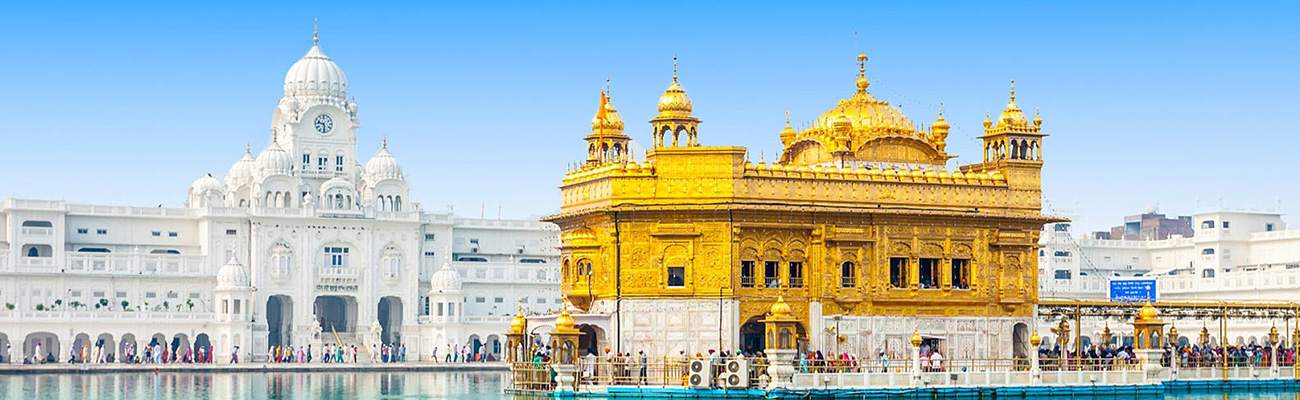
Golden Temple Amritsar, officially known as Sri Harmandir Sahib, is a place where centuries-old history, spiritual traditions and community service continue together every day. Located in Amritsar, Punjab, the shrine is recognised around the world for its gold-covered architecture and peaceful setting, but its deeper importance comes from the living traditions practised within the complex.
Many visitors arrive expecting the golden structure to be the main highlight of their journey. However, it is often the quieter moments that leave the strongest impression, such as listening to Gurbani while walking around the Parikrama, watching volunteers perform seva or seeing people from different backgrounds share a meal through Guru Ka Langar.
Unlike a monument that exists only to preserve the past, Sri Harmandir Sahib remains an active place of worship. Understanding its history, spiritual meaning and architecture helps visitors appreciate why the Golden Temple continues to hold such an important place in Sikh heritage and attracts millions of people every year.
Golden Temple Amritsar at a Glance
Before exploring the story behind the shrine, these practical details help visitors understand the basics of planning a visit.
| What visitors usually want to know | Quick details |
| Official name | Sri Harmandir Sahib |
| Location | Amritsar, Punjab, India |
| Religious importance | Central Sikh place of worship |
| Time needed for a relaxed visit | Around 3 to 4 hours |
| Nearest railway connection | Amritsar Junction |
| Comfortable travel period | October to March |
| Entry arrangement | Open to everyone following temple customs |
| Photography | Allowed in outdoor areas, restrictions apply inside the sanctum |
The Golden Temple is easy to include in an Amritsar itinerary, but visitors who allow enough time often experience more than the famous views. The daily rhythm of prayer, service and community activities is an important part of what makes the visit meaningful.
What Makes Golden Temple Amritsar Special?
The Golden Temple is often recognised by its golden exterior reflecting across the Amrit Sarovar, but the true identity of the complex comes from the traditions that continue around it.
The shrine represents important Sikh principles, including equality, humility, devotion and selfless service. Every day, thousands of visitors and volunteers contribute to the atmosphere through prayer, participation and community work.
| Part of the visit | What it reveals |
| Harmandir Sahib | The central shrine surrounded by the Amrit Sarovar. |
| Gurbani | Sacred hymns that create the spiritual atmosphere of the complex. |
| Guru Ka Langar | A community kitchen where visitors share a free vegetarian meal. |
| Seva | Service activities carried out by volunteers throughout the day. |
| Parikrama | A walkway offering different views of the shrine and surroundings. |
One of the most distinctive aspects of the Golden Temple is that visitors are not simply observing traditions from outside. The prayers, service and community activities taking place around them are part of everyday life.
History of Golden Temple Amritsar
The history of Golden Temple Amritsar is closely connected with the growth of Sikhism and the development of Amritsar as an important spiritual centre. The shrine has changed through different periods while maintaining its central role in Sikh tradition.
Foundation and Early Development:
The origins of Amritsar are linked with Guru Ram Das, who established the settlement around the sacred pool area during the 16th century. His successor, Guru Arjan, completed Harmandir Sahib and installed the Guru Granth Sahib at the shrine in 1604.
The design of Harmandir Sahib carried an important message of humility. Unlike many significant buildings traditionally placed on raised platforms, the shrine was constructed at a lower level, encouraging visitors to approach it with respect.
Growth of the Sacred Complex:
Over time, the Golden Temple complex developed into a larger centre connected with worship, learning and community service. Additional structures were created around the main shrine, including spaces that support religious activities and visitor needs.
The site has experienced periods of damage and reconstruction throughout history. Each restoration reflects the dedication of Sikh communities who have continued to preserve the shrine and its traditions.
The Golden Transformation:
The gold-covered exterior that gave the shrine its worldwide recognition was added during the early 19th century under the patronage of Maharaja Ranjit Singh.
While the golden appearance became a defining visual feature, the importance of Harmandir Sahib has always remained connected with worship, service and the values represented by the complex.
Spiritual Significance of Sri Harmandir Sahib
Sri Harmandir Sahib holds a central position in Sikhism because it represents the connection between spiritual devotion and daily actions. The shrine is not only a place for prayer but also a space where principles such as equality and service are actively practised.
The Meaning Behind Harmandir Sahib:
The name Harmandir Sahib is commonly understood as the “Abode of God.” The shrine welcomes visitors from different communities and backgrounds, reflecting the belief that spiritual connection is open to all.
The four entrances of the complex are often understood as a symbol of openness. They represent the idea that people from different directions and communities are welcome to enter.
Seva, Langar and Community Service:
Guru Ka Langar is one of the most recognised traditions associated with the Golden Temple. The community kitchen provides free vegetarian meals and allows visitors to experience the principle of equality through shared participation.
The importance of langar extends beyond food. The process of preparing, serving and cleaning represents collective responsibility and selfless contribution.
Visitors may see volunteers:
- Preparing ingredients.
- Cooking meals.
- Serving visitors.
- Cleaning shared areas.
- Washing utensils.
These activities show how service remains an essential part of the Golden Temple experience.
Architecture and Design of the Golden Temple
The architecture of the Golden Temple combines detailed craftsmanship with symbolic meaning. Every part of the complex contributes to the experience, from the surrounding water to the design of the shrine itself.
| Area to notice | What visitors can appreciate |
| Harmandir Sahib | The central shrine surrounded by the Amrit Sarovar. |
| Golden exterior | Detailed work that creates the famous appearance of the shrine. |
| Marble sections | Traditional craftsmanship and decorative designs. |
| Causeway bridge | The pathway connecting visitors with the main shrine. |
| Akal Takht | A significant Sikh institution within the complex. |
The Amrit Sarovar and Reflection:
The Amrit Sarovar is one of the most recognisable features of the Golden Temple. The water surrounding Harmandir Sahib creates changing views throughout the day as sunlight, weather and evening illumination alter the reflection of the shrine.
Many visitors find that the experience changes depending on the time of arrival. Early mornings often offer a quieter atmosphere, while evenings reveal the famous illuminated view across the water.
The Four Entrances and Their Meaning:
The four entrances of Harmandir Sahib represent openness and welcome. The design reflects the idea that people from different backgrounds and regions can approach the shrine.
The architecture therefore communicates more than visual beauty. It expresses values of acceptance, humility and connection that remain central to the Golden Temple experience.
Best Time to Visit Golden Temple Amritsar
The Golden Temple can be visited throughout the year, but the experience changes depending on the season, time of day and crowd levels. The ideal time depends on whether you prefer comfortable weather, a quieter atmosphere or the energy of major celebrations.
For first-time visitors, the cooler months generally provide the most comfortable conditions for exploring the complex. However, each season offers a different experience, and even a short visit can be meaningful when planned thoughtfully.
| If your priority is | A suitable time to visit | What you can expect |
| Comfortable exploration | October to March | Pleasant weather for walking around the complex and nearby attractions. |
| A quieter atmosphere | Before sunrise | Fewer visitors, peaceful surroundings and morning Gurbani. |
| Evening views | Around sunset and after dark | The illuminated shrine creates a memorable reflection across the Amrit Sarovar. |
| Festival experience | Guru Nanak Gurpurab or Baisakhi | Special prayers, decorations and a larger gathering of visitors. |
| Summer visit | Early morning or evening | Better conditions before and after the afternoon heat. |
The timing of your visit can influence your experience as much as the season. Early mornings allow visitors to observe the calm beginning of the day, while evenings offer a different atmosphere as the shrine lights up.
If you are visiting during major festivals, expect larger crowds and plan extra time. These occasions provide a unique cultural experience, but accommodation, transport and waiting periods may require additional planning.
Before You Enter the Complex
The Golden Temple welcomes visitors from all backgrounds. Following a few simple customs helps maintain the respectful environment of the complex and allows everyone to experience the space comfortably.
| Before entering | What to remember |
| Head covering | Cover your head before entering the complex. |
| Footwear | Remove shoes and use the available shoe deposit facilities. |
| Clothing | Wear modest clothing covering shoulders and knees. |
| Feet cleaning | Walk through the water channel provided before entering. |
| Mobile phones | Keep devices silent and avoid disturbing prayers. |
| Photography | Follow current guidance, especially in restricted areas. |
Visitors do not need special religious knowledge to enter the Golden Temple. The main expectation is simple respect for the customs and the people worshipping inside the complex.
Experiences Worth Slowing Down For
A visit to the Golden Temple becomes more meaningful when you allow time to experience the smaller moments rather than focusing only on the main shrine.
Walk Around the Parikrama:
The Parikrama is the pathway around the Amrit Sarovar. Many visitors begin their journey by walking around this area before joining the queue for Harmandir Sahib.
This slower approach allows you to understand the layout of the complex, observe the changing reflections of the shrine and experience the atmosphere before entering the central sanctum.
Spend Time Beside the Amrit Sarovar:
The Amrit Sarovar is not only a beautiful visual feature but also an important part of the spiritual environment of the Golden Temple.
The view changes throughout the day. Morning light creates a quieter setting, while evening illumination creates the famous golden reflection that many visitors remember.
Visit the Central Sikh Museum:
The Central Sikh Museum provides historical context through portraits, manuscripts and exhibits connected with Sikh history.
For many visitors, exploring the museum after seeing the main shrine helps connect the architecture and traditions of the Golden Temple with the people and events that shaped Sikh heritage.
Observe Seva in Daily Life:
One of the most noticeable aspects of the Golden Temple is the continuous practice of seva.
Visitors may see people contributing through:
- Preparing food in the langar kitchen.
- Serving meals.
- Cleaning shared areas.
- Organising footwear.
- Helping other visitors.
These activities show that service is not a separate event but a daily part of the community experience.
Suggested Visit Schedule
The amount of time you spend at the Golden Temple can change the quality of your experience. A rushed visit may cover the main shrine, but a longer visit allows you to understand the traditions around it.
| Time available | A balanced way to spend it |
| About 1 hour | Visit Harmandir Sahib, walk the Parikrama and view the Amrit Sarovar. |
| 2 to 3 hours | Add Guru Ka Langar and the Central Sikh Museum. |
| Half a day | Experience morning prayers, explore the complex slowly and return for evening views. |
| Full day in Amritsar | Combine the Golden Temple with nearby heritage sites and local food experiences. |
For a first visit, arriving before sunrise and staying until mid-morning can provide a peaceful introduction. If possible, returning after sunset offers a completely different view of the same place.
How to Reach the Golden Temple
Amritsar is well connected by air, rail and road, making the Golden Temple accessible for visitors travelling from different parts of India and abroad.
By Air:
The nearest airport is Sri Guru Ram Dass Jee International Airport. It is located outside the city and connected with the Golden Temple area through taxis and other local transport options.
By Train:
Amritsar Junction railway station is the main railway station serving the city. From the station, visitors can reach the Golden Temple by taxi, auto-rickshaw or local transport.
By Road:
Amritsar has road connections with major cities in Punjab, Delhi and neighbouring states. Visitors can travel by bus, private vehicle or taxi depending on their starting point.
Walking From Amritsar Junction:
Walking from the railway station is possible for travellers who want to explore the city streets along the way. However, weather conditions should be considered, especially during the hotter months.
Accessibility and Visitor Facilities
The Golden Temple receives visitors of different ages and physical abilities. Several facilities and services are available to make the visit more convenient.
| Visitor need | Helpful information |
| Elderly visitors | Take a relaxed pace and allow extra time for walking. |
| Mobility assistance | Visitors can seek guidance from volunteers if assistance is required. |
| Drinking water | Water facilities are available within the complex. |
| Footwear storage | Shoe deposit facilities are available near entrances. |
| Large belongings | Check current storage arrangements before carrying bulky items. |
Visitors travelling with elderly family members or children may prefer early morning visits when the surroundings are generally more comfortable.
Nearby Places to Explore
A visit to the Golden Temple can easily become a full-day cultural experience by exploring nearby historical attractions.
| Place to visit | Why it adds value to your trip |
| Jallianwala Bagh | Offers insight into an important chapter of India’s freedom movement. |
| Partition Museum | Preserves personal stories and memories connected with Partition history. |
| Durgiana Temple | Known for its architecture and religious importance. |
| Gobindgarh Fort | A historic fort featuring museums and cultural programmes. |
Planning nearby attractions after your Golden Temple visit allows enough time to experience the shrine without rushing.
Famous Amritsar Foods to Try Nearby
Amritsar is also known for its food culture, which adds another dimension to a city visit. After spending time at the Golden Temple, many travellers explore local dishes that reflect Punjab’s culinary traditions.
Popular foods to try include:
- Amritsari kulcha: A stuffed bread commonly served with chole and accompaniments.
- Amritsari fish: A well-known local preparation with a crisp spiced coating.
- Lassi: A traditional yoghurt-based drink often enjoyed with Punjabi meals.
- Chole bhature: A popular combination found across the city.
Trying local food outside the temple area gives visitors another way to experience Amritsar beyond its spiritual landmarks.
Small Tips That Make a Big Difference
A few practical choices can make your visit smoother:
- Carry a lightweight scarf for head covering if needed.
- Wear footwear that is easy to remove and put back on.
- Keep extra time during weekends and festivals.
- Stay hydrated during warmer months.
- Follow instructions from volunteers inside the complex.
- Avoid rushing through the visit, as the atmosphere is an important part of the experience.
Frequently Asked Questions
Is entry to the Golden Temple free?
Yes, entry to the Golden Temple is free for all visitors.
Can people from other religions visit the Golden Temple?
Yes. Visitors from all faiths and backgrounds are welcome, provided they respect the customs of the complex.
How much time is enough for visiting the Golden Temple?
A relaxed visit usually takes around three to four hours. This allows time for the main shrine, Parikrama, Amrit Sarovar, langar and nearby areas within the complex.
Is there a dress code for the Golden Temple?
There is no formal dress code, but visitors should wear modest clothing and cover their heads before entering.
Is Guru Ka Langar available for everyone?
Yes. Guru Ka Langar welcomes visitors and provides free vegetarian meals as part of the tradition of community service.
Can visitors carry luggage inside?
Large bags and heavy luggage are not recommended. Visitors should check available facilities before bringing bulky items.
Beyond the Golden Dome, The Experience That Stays With You
The Golden Temple is often remembered for its gold-covered sanctuary, but its lasting impact comes from the traditions experienced within the complex. The sound of Gurbani, the dedication of people performing seva, the shared meal at Guru Ka Langar and the peaceful surroundings of the Amrit Sarovar create memories that go beyond photographs.
Whether you visit to understand Sikh history, appreciate remarkable craftsmanship or spend time in quiet reflection, experiencing Sri Harmandir Sahib at an unhurried pace reveals why it remains one of India’s most respected spiritual landmarks. The golden reflection may be what first attracts visitors, but it is the atmosphere of humility, service and community that often stays with them long after they leave.