

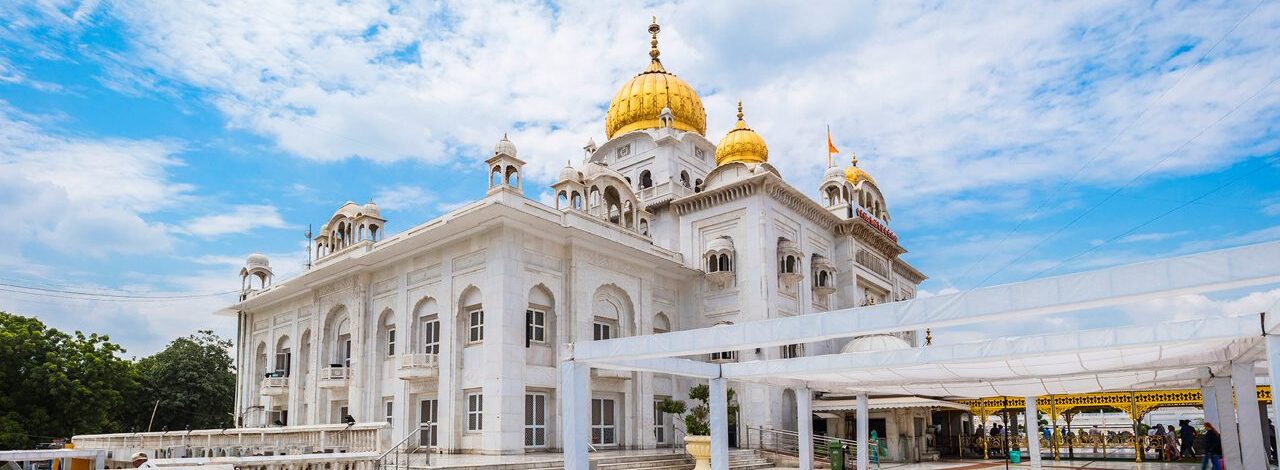
Gurdwara Bangla Sahib, New Delhi
History, Spiritual Significance and Complete Visitor Guide
There are countless places to visit in New Delhi, but only a handful leave an impression that lasts long after the journey ends. Gurdwara Bangla Sahib is one of them. Its golden dome attracts attention from a distance, yet what stays with most visitors is not the architecture. It is the atmosphere. The noise of central Delhi gradually fades, conversations become quieter, and complete strangers are welcomed with the same warmth as lifelong devotees. In a city known for its energy and constant movement, Bangla Sahib offers something many people do not expect to find: a genuine sense of peace.
Dedicated to Guru Har Krishan Ji, the eighth Sikh Guru, Gurdwara Bangla Sahib is one of the most important Sikh shrines in India. Every day, people from different faiths, cultures, and countries pass through its gates. Some arrive to pray, others to volunteer, and many simply wish to understand why this place holds such deep meaning for millions of Sikhs. Regardless of the reason for visiting, everyone encounters the same values of humility, equality, and selfless service that have defined the shrine for more than three centuries.
.
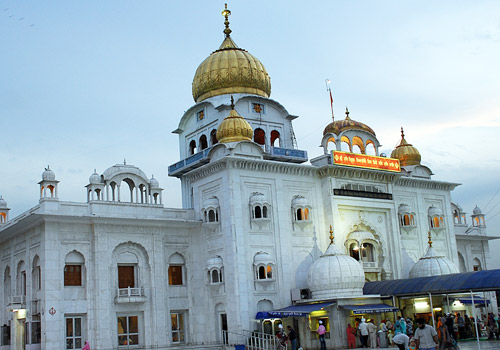
The remarkable story behind Gurdwara Bangla Sahib
| Quick fact | Information |
|---|---|
| Dedicated to | Guru Har Krishan Ji |
| Original site | Raja Jai Singh’s Bangla |
| Historic visit | 1664 |
| Established as a Sikh shrine | 1783 |
| Managed by | Delhi Sikh Gurdwara Management Committee (DSGMC) |
Architectural highlights
- Gold-plated central dome overlooking the shrine.
- Elegant white-marble courtyards and pathways.
- Traditional Sikh arches and decorative stonework.
- Landscaped gardens that create a peaceful setting.
- Spacious gathering areas designed for large congregations.
- Multiple entrances symbolising equality and openness.
- Cover your head before entering.
- Remove your shoes and leave them at the free shoe counter.
- Wash your feet before stepping onto the marble pathways.
- Wear modest clothing that covers the shoulders and knees.
- Keep mobile phones on silent.
- Avoid loud conversations and respect ongoing prayers.
- Do not photograph worshippers without their permission.
The sacred sarovar and its enduring significance
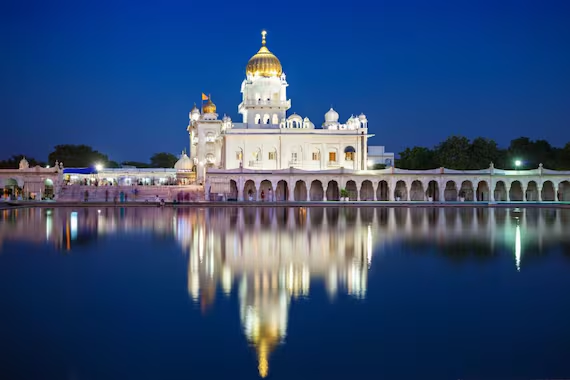
Bordering the main shrine is the sarovar, the sacred water tank that has become one of Bangla Sahib’s defining features. Its still waters mirror the golden dome from dawn until late evening, creating one of the most recognisable views in New Delhi. While many visitors stop here for photographs, devotees see the sarovar as a reminder of Guru Har Krishan Ji’s compassion during the epidemic of 1664.
According to Sikh tradition, many people respectfully collect a small quantity of its water, known as Amrit Jal, as an expression of faith and remembrance. The emphasis is not on the water itself but on the values associated with the Guru’s life: humility, hope, and service to others.
Foundation and Early Development:
The origins of Amritsar are linked with Guru Ram Das, who established the settlement around the sacred pool area during the 16th century. His successor, Guru Arjan, completed Harmandir Sahib and installed the Guru Granth Sahib at the shrine in 1604.

 21°C
21°C
Timings, entry fee & visitor information
Planning ahead can help you enjoy a more comfortable visit, especially during weekends and major Sikh festivals.
| Visitor information | Details |
|---|---|
| Entry fee | Free |
| Opening hours | Open 24 hours |
| Langar | Free for all visitors |
| Head covering | Mandatory |
| Footwear | Must be removed |
| Photography | Allowed outdoors; avoid disturbing worshippers |
Best time to visit
Although Bangla Sahib welcomes visitors throughout the year, the overall experience can vary depending on the season and time of day.
The cooler months from October to March are generally the most comfortable for exploring Delhi. During important Sikh festivals such as Guru Nanak Gurpurab and Baisakhi, the gurdwara becomes especially vibrant, although visitors should expect larger crowds.
How to reach Gurdwara Bangla Sahib
Located in central New Delhi, Bangla Sahib is easily accessible by public transport and private vehicles.
- Metro: Patel Chowk (Yellow Line) and Shivaji Stadium (Airport Express Line) are the nearest stations.
- By road: Taxis, app-based cabs, and auto-rickshaws are readily available throughout Delhi.
- By train: New Delhi Railway Station is only a short drive away.
- By air: Indira Gandhi International Airport is around 15 kilometres from the shrine.