

Golden Temple, Amritsar
History, Spiritual Significance and Complete Visitor Guide
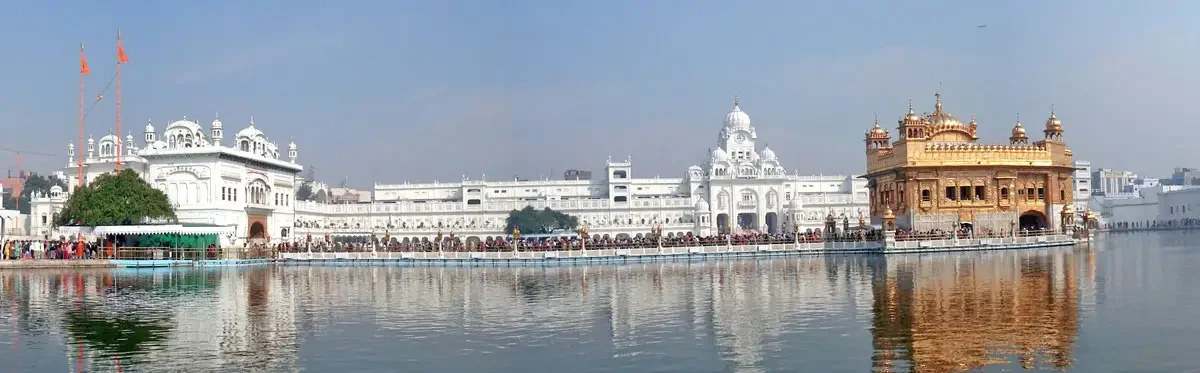
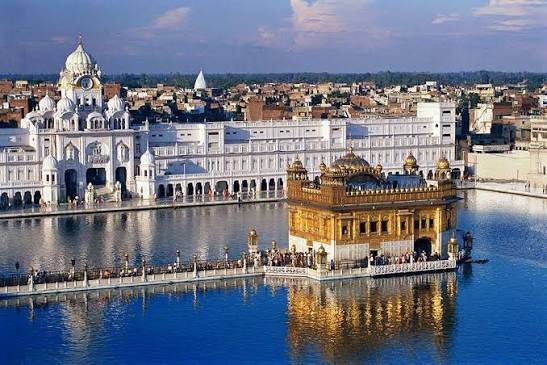
Golden Temple Amritsar, officially known as Sri Harmandir Sahib, is a place where centuries-old history, spiritual traditions and community service continue together every day. Located in Amritsar, Punjab, the shrine is recognised around the world for its gold-covered architecture and peaceful setting, but its deeper importance comes from the living traditions practised within the complex.Many visitors arrive expecting the golden structure to be the main highlight of their journey. However, it is often the quieter moments that leave the strongest impression, such as listening to Gurbani while walking around the Parikrama, watching volunteers perform seva or seeing people from different backgrounds share a meal through Guru Ka Langar.
Unlike a monument that exists only to preserve the past, Sri Harmandir Sahib remains an active place of worship. Understanding its history, spiritual meaning and architecture helps visitors appreciate why the Golden Temple continues to hold such an important place in Sikh heritage and attracts millions of people every year.
Golden Temple Amritsar at a Glance
Before exploring the story behind the shrine, these practical details help visitors understand the basics of planning a visit.
| What visitors usually want to know | Quick details |
|---|---|
| Official name | Sri Harmandir Sahib |
| Location | Amritsar, Punjab, India |
| Religious importance | Central Sikh place of worship |
| Time needed for a relaxed visit | Around 3 to 4 hours |
| Nearest railway connection | Amritsar Junction |
| Comfortable travel period | October to March |
| Entry arrangement | Open to everyone following temple customs |
| Photography | Allowed in outdoor areas, restrictions apply inside the sanctum |
What Makes Golden Temple Amritsar Special?
| Part of the visit | What it reveals |
|---|---|
| Harmandir Sahib | The central shrine surrounded by the Amrit Sarovar |
| Gurbani | Sacred hymns that create the spiritual atmosphere of the complex. |
| Guru Ka Langar | A community kitchen where visitors share a free vegetarian meal |
| Seva | Service activities carried out by volunteers throughout the day. |
| Parikrama | A walkway offering different views of the shrine and surroundings |
History of Golden Temple Amritsar
The history of Golden Temple Amritsar is closely connected with the growth of Sikhism and the development of Amritsar as an important spiritual centre. The shrine has changed through different periods while maintaining its central role in Sikh tradition.
Foundation and Early Development:
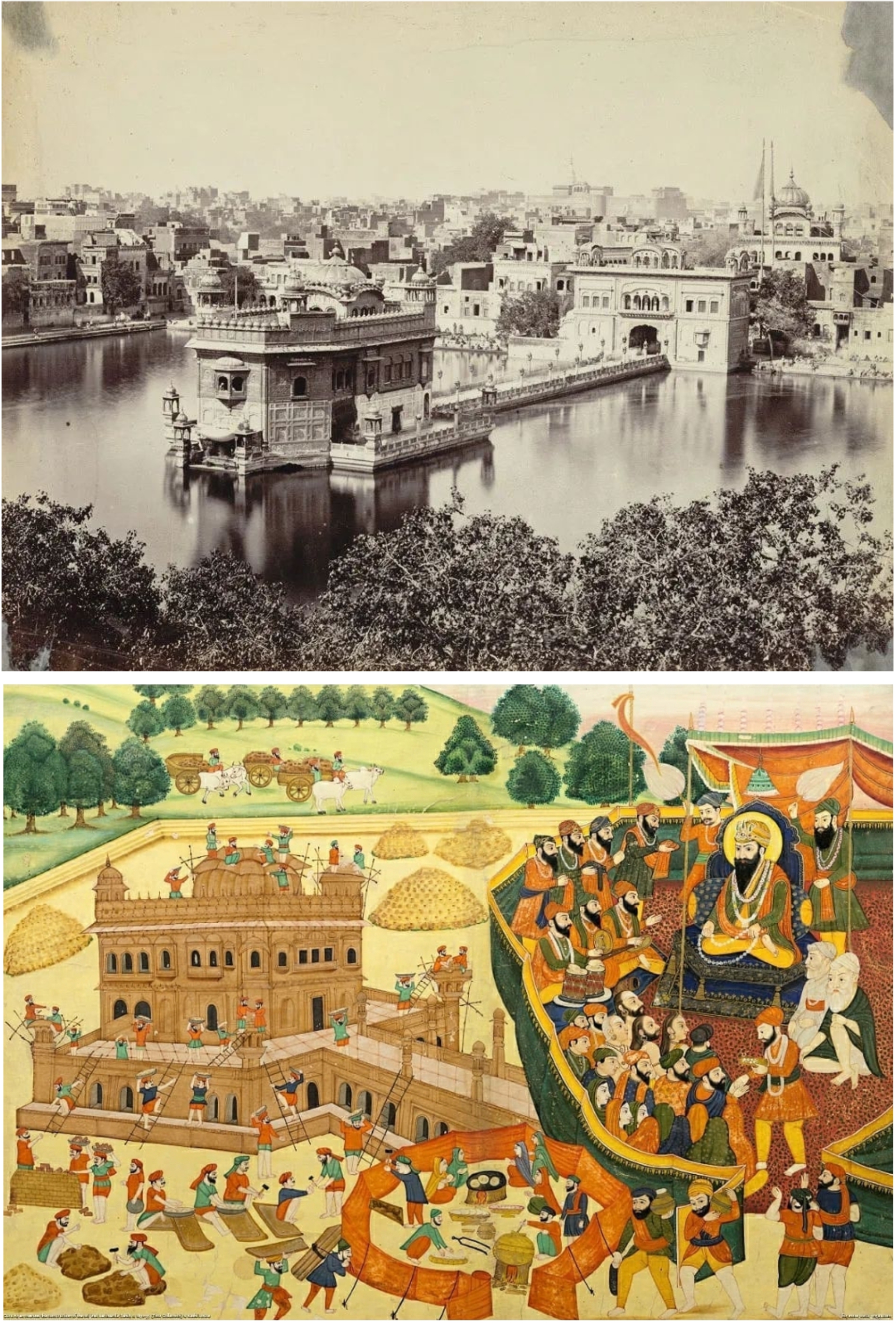
The origins of Amritsar are linked with Guru Ram Das, who established the settlement around the sacred pool area during the 16th century. His successor, Guru Arjan, completed Harmandir Sahib and installed the Guru Granth Sahib at the shrine in 1604.
The design of Harmandir Sahib carried an important message of humility. Unlike many significant buildings traditionally placed on raised platforms, the shrine was constructed at a lower level, encouraging visitors to approach it with respect.
Growth of the Sacred Complex:
Over time, the Golden Temple complex developed into a larger centre connected with worship, learning and community service. Additional structures were created around the main shrine, including spaces that support religious activities and visitor needs.
The site has experienced periods of damage and reconstruction throughout history. Each restoration reflects the dedication of Sikh communities who have continued to preserve the shrine and its traditions.
The Golden Transformation:
The gold-covered exterior that gave the shrine its worldwide recognition was added during the early 19th century under the patronage of Maharaja Ranjit Singh.
While the golden appearance became a defining visual feature, the importance of Harmandir Sahib has always remained connected with worship, service and the values represented by the complex.

 20°C
20°C
Spiritual Significance of Sri Harmandir Sahib
Sri Harmandir Sahib holds a central position in Sikhism because it represents the connection between spiritual devotion and daily actions. The shrine is not only a place for prayer but also a space where principles such as equality and service are actively practised.
The Meaning Behind Harmandir Sahib:
The name Harmandir Sahib is commonly understood as the “Abode of God.” The shrine welcomes visitors from different communities and backgrounds, reflecting the belief that spiritual connection is open to all.
The four entrances of the complex are often understood as a symbol of openness. They represent the idea that people from different directions and communities are welcome to enter.
Seva, Langar and Community Service:
Guru Ka Langar is one of the most recognised traditions associated with the Golden Temple. The community kitchen provides free vegetarian meals and allows visitors to experience the principle of equality through shared participation.
The importance of langar extends beyond food. The process of preparing, serving and cleaning represents collective responsibility and selfless contribution.
Best Time to Visit Golden Temple Amritsar
The Golden Temple can be visited throughout the year, but the experience changes depending on the season, time of day and crowd levels. The ideal time depends on whether you prefer comfortable weather, a quieter atmosphere or the energy of major celebrations.
For first-time visitors, the cooler months generally provide the most comfortable conditions for exploring the complex. However, each season offers a different experience, and even a short visit can be meaningful when planned thoughtfully.
| If your priority is | A suitable time to visit | What you can expect |
|---|---|---|
|
Comfortable exploration |
October to March |
Pleasant weather for walking around the complex and nearby attractions. |
|
A quieter atmosphere |
Before sunrise |
Fewer visitors, peaceful surroundings and morning Gurbani. |
|
Evening views |
Around sunset and after dark |
The illuminated shrine creates a memorable reflection across the Amrit Sarovar. |
|
Festival experience |
Guru Nanak Gurpurab or Baisakhi |
Special prayers, decorations and a larger gathering of visitors. |
|
Summer visit |
Early morning or evening |
Better conditions before and after the afternoon heat. |
How to Reach the Golden Temple
Amritsar is well connected by air, rail and road, making the Golden Temple accessible for visitors travelling from different parts of India and abroad.
By Air:
The nearest airport is Sri Guru Ram Dass Jee International Airport. It is located outside the city and connected with the Golden Temple area through taxis and other local transport options.
By Train:
Amritsar Junction railway station is the main railway station serving the city. From the station, visitors can reach the Golden Temple by taxi, auto-rickshaw or local transport.
By Road:
Amritsar has road connections with major cities in Punjab, Delhi and neighbouring states. Visitors can travel by bus, private vehicle or taxi depending on their starting point.
Walking From Amritsar Junction:
Walking from the railway station is possible for travellers who want to explore the city streets along the way. However, weather conditions should be considered, especially during the hotter months.