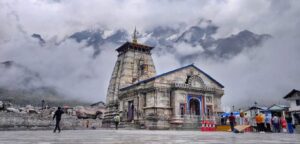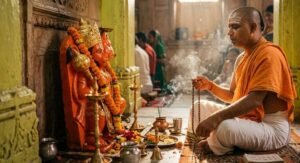

Most travelers arrive in Rishikesh carrying a specific set of expectations. They come for the classic photograph framed by Laxman Jhula, the structured discipline of a certified yoga hall, or the adrenaline rush of rafting down the Ganges.
Yet, if you step past the lively cafes and wander beyond the main paved lanes, the valley reveals an entirely different character. It quietly reverts to the sanctuary it has been for centuries: a place where people arrive not to perform, but to shed the weight of daily stress and simply breathe. To experience this older side of the valley, you have to adjust your pace. You do not need a packed itinerary or an expensive tour package. What you need is far simpler: unhurried time, an open mind, and the patience to sit still.
Morning Water, Mountain Air
The truest essence of Rishikesh belongs to the early hours. Around five in the morning, long before commercial shops open, a deep calm settles over the valley. The air rolling down from the Himalayan foothills carries a sharp, pristine chill, and the streets stand completely silent.
While famous gathering points like Triveni Ghat and Parmarth Niketan attract dense crowds by late afternoon, the dawn belongs entirely to early risers. Walking down the stone steps toward the riverbank in the pale gray light becomes a personal ritual.
The Ganges at this high elevation is clear, bright green, and icy cold. Dipping your feet into the river creates an immediate physical reaction. The cold shock hits your system instantly, clearing out mental fog and anchoring you firmly in the present moment.
You do not need to recite formal prayers or force yourself into rigid postures. Simply sitting on the cool stone, feeling the river pull against your skin, and watching the morning mist rise off the forested hills is enough to set a peaceful foundation for your day.
Leaving the Noise Behind
A distinct transformation occurs as you journey out of the flat northern plains and climb into the Garhwal foothills. The ambient temperature drops noticeably, carrying the subtle fragrance of wet granite, wild pine, and mountain rain. The harsh sounds of highway traffic gradually dissolve into a low, eternal hum. It is the steady sound of water carving its way through rock.
While the region is globally recognized as a center for wellness, its history runs much deeper. For generations, this valley served as a natural gateway for ascetics and seekers who built modest shelters along the water to contemplate life away from societal pressures. Experiencing Rishikesh as a quiet pilgrimage requires honoring that heritage. It means slowing your steps, allowing your thoughts to settle like morning dust, and letting the landscape dictate your pace.
Life on Either Side of the River
The Ganges splits the region into two distinct neighborhoods, each offering a completely different atmosphere. Understanding this division allows you to shape your stay according to the energy you want. The western bank, anchored by Tapovan and Laxman Jhula, leans toward a vibrant, modern lifestyle. Narrow roads wind past rooftop bakeries, international eateries, and bustling markets, attracting a lively crowd.
The eastern bank, running from Ram Jhula through Swarg Ashram, preserves a much slower rhythm. Motorized vehicles are heavily restricted here, turning the main thoroughfares into pedestrian walkways. Shaded paths take you past historic ashrams, quiet courtyards, ancient Banyan trees, and weathered stone benches facing the water. For anyone seeking unhurried reading and long river walks, the eastern bank is the natural place to settle.
Finding Small Enclaves of Peace
Even during peak travel seasons, peaceful spaces remain easily accessible if you are willing to walk a short distance. Walking a mile or two upstream toward Shatrughan Ghat or the quieter stretches near Tapovan brings you to wide, open riverbanks lined with soft sand and smooth granite boulders.
In the late afternoon, the vehicle free backlanes of Swarg Ashram offer shade and quiet. Small independent bookshops, modest tea stalls, and simple hermitages operate at a gentle, human scale. The wooded tracks bordering the southern edges of town also provide shaded walking paths under tall forest canopies, far removed from shop loudspeakers and busy intersections.
Ruins in the Forest
On the quiet outskirts near Rajaji National Park stands a historic site built decades ago as a secluded meditation sanctuary. While famous for its historical visitors, the real draw today is its deep, atmospheric silence.
The property features dome shaped meditation huts constructed out of rounded river pebbles. Over the years, nature has gradually reclaimed the grounds, with vines trailing over curved stone walls and wild birds nesting in the canopy above.
Walking quietly through these overgrown pathways offers a vivid reminder of why people have drawn toward this forest hillside for generations. The space was designed specifically to foster mental quiet, a quality that remains palpable today.
Escaping a Little Further Upstream
For those with extra time, taking a short trip further up the river valley leads to places of profound quietness. Situated roughly 25 kms upstream, Vashishta Gufa rests within a simple, quiet ashram property. Inside the natural cave, the temperature drops and the air becomes pitch dark and utterly silent, creating an ideal environment for deep reflection.
A short trek away from the main road also leads to the Neer Garh Streams. Here, clear mountain pools and small waterfalls surrounded by forest greenery offer a refreshing break from the main riverbank activity.

The Art of Sitting Still
Modern travel culture often encourages us to fill every hour with planned activities, but the true spirit of a pilgrimage lies in doing less, not more. Physical practices and long walks are ultimate tools designed to quiet the mind so you can sit comfortably in silence. The most memorable hours are rarely those spent rushing to appointments, but those spent in quiet observation along the banks.
Finding a flat boulder along a quiet stretch of shore and listening to the continuous roar of the water acts as a natural reset. As you sit surrounded by ancient mountain peaks, daily stresses lose their grip, making room for quiet clarity.
Fresh Bread and Warm Tea
The food culture in Rishikesh mirrors its overall philosophy: simple, light, and deeply nourishing. Across the core pilgrimage zones, meals are entirely vegetarian and alcohol free by long standing tradition.
A hot cup of tea brewed with fresh ginger and cardamom, a bowl of freshly cooked lentils, and warm wheat rotis served at a modest roadside kitchen feel remarkably satisfying.
When your daily routine shifts to simple food, early mornings aligned with the sunrise, and long daylight hours spent outdoors, your internal clock naturally recalibrates. The nervous energy of city living gradually fades away.
Fire and Water at Twilight
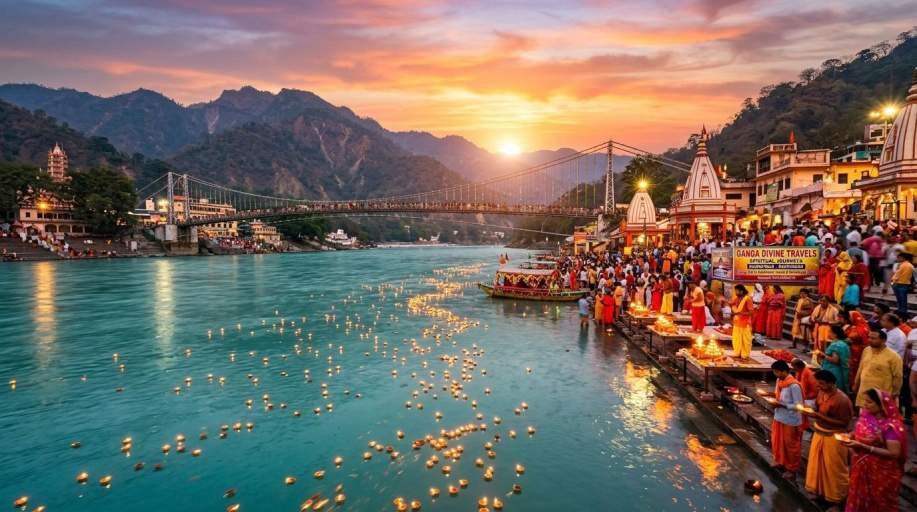
As the sun drops behind the western ridge, the valley prepares for the evening Ganga Aarti. While large gatherings assemble at prominent ashrams, sitting near the water’s edge at Triveni Ghat offers a deeply grounded perspective.
Triveni Ghat marks the confluence of local river streams. As twilight takes over, the water shifts from bright turquoise to a calm slate blue, reflecting the changing colors of the sky.
Townspeople gather quietly along the stone steps as priests light multi tiered brass lamps. The crisp scent of burning camphor fills the air, accompanied by the rhythmic ringing of handbells and traditional chants.
Small oil lamps resting in leaf boats are gently set afloat, drifting downstream and leaving tiny trails of warm light across the darkening water. It is a collective moment of gratitude for the river that sustains the valley.
Planning Your Journey
Before setting out, a few practical considerations will help keep your trip smooth and stress free.
Carrying the River Back Home
A meaningful trip to Rishikesh is not measured by the number of places you visit or the photos you collect. Its true value lies in the mental quiet you cultivate and your ability to carry that calm back into your regular routine. Eentually, your stay along the river comes to an end. You pack your bags, step away from the sound of temple bells, and return to your daily responsibilities.
Yet, a quiet pilgrimage leaves a lasting impression. When daily life grows hectic, you can pause, close your eyes, and recall the exact feeling: your feet resting in the cold mountain stream, your mind lifted into the quiet clouds, and the river flowing steady and clear beneath the hills.